Introduction: The Rising Dilemma in Vaping
As vaping becomes increasingly popular, les options disponibles pour les appareils se sont considérablement développées. Parmi ces, les dosettes jetables et les dosettes rechargeables se distinguent comme deux des systèmes les plus courants. L'impact environnemental des produits jetables et les implications financières des deux systèmes deviennent des sujets brûlants., beaucoup de vapoteurs se demandent: *Pod jetable vs. Pod rechargeable: Quel système est le plus économique à long terme?* Cet article a pour objectif de comparer ces deux systèmes, compte tenu de leurs *coûts initiaux, dépenses à long terme, impact environnemental, et confort d'utilisation*.
Understanding Disposable Pods
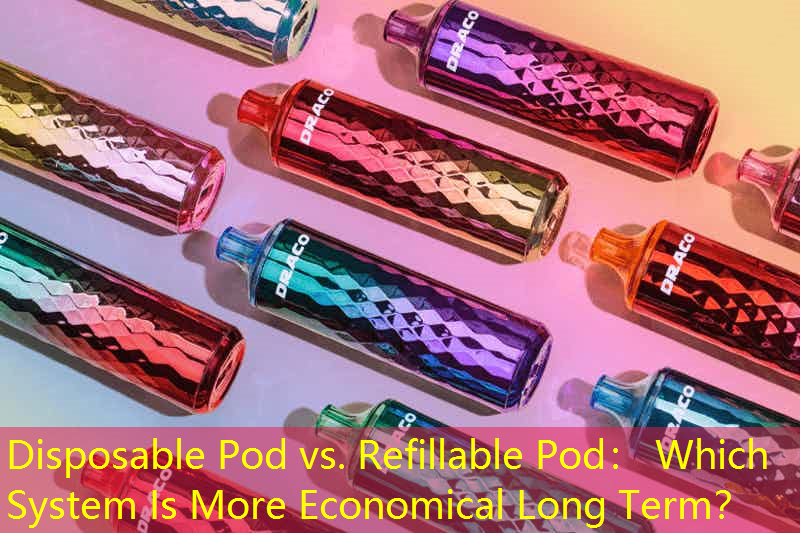
Disposable pods are pre-filled devices designed for convenience. Les utilisateurs ouvrent simplement l'emballage et commencent à vapoter sans avoir besoin de recharges ou de configuration.. They are designed to be used until the e-liquid runs out, after which they are discarded.
Cost Analysis of Disposable Pods
When we look at the *cost* of disposable pods, the initial investment might seem low. Average prices range from $5 à $20 per pod, depending on brand and flavor. Cependant, the costs can accumulate quickly. Par exemple, if a user consumes one pod daily at an average price of $10, this equates to $300 over three months.
En outre, consider another user who might opt for a refillable system that requires an initial investment of approximately $50 for the device plus roughly $15 for a 30ml bottle of e-liquid that could last for a month. When purchasing e-liquid in bulk, refilling can significantly reduce the overall expenditure.
Exploring Refillable Pods
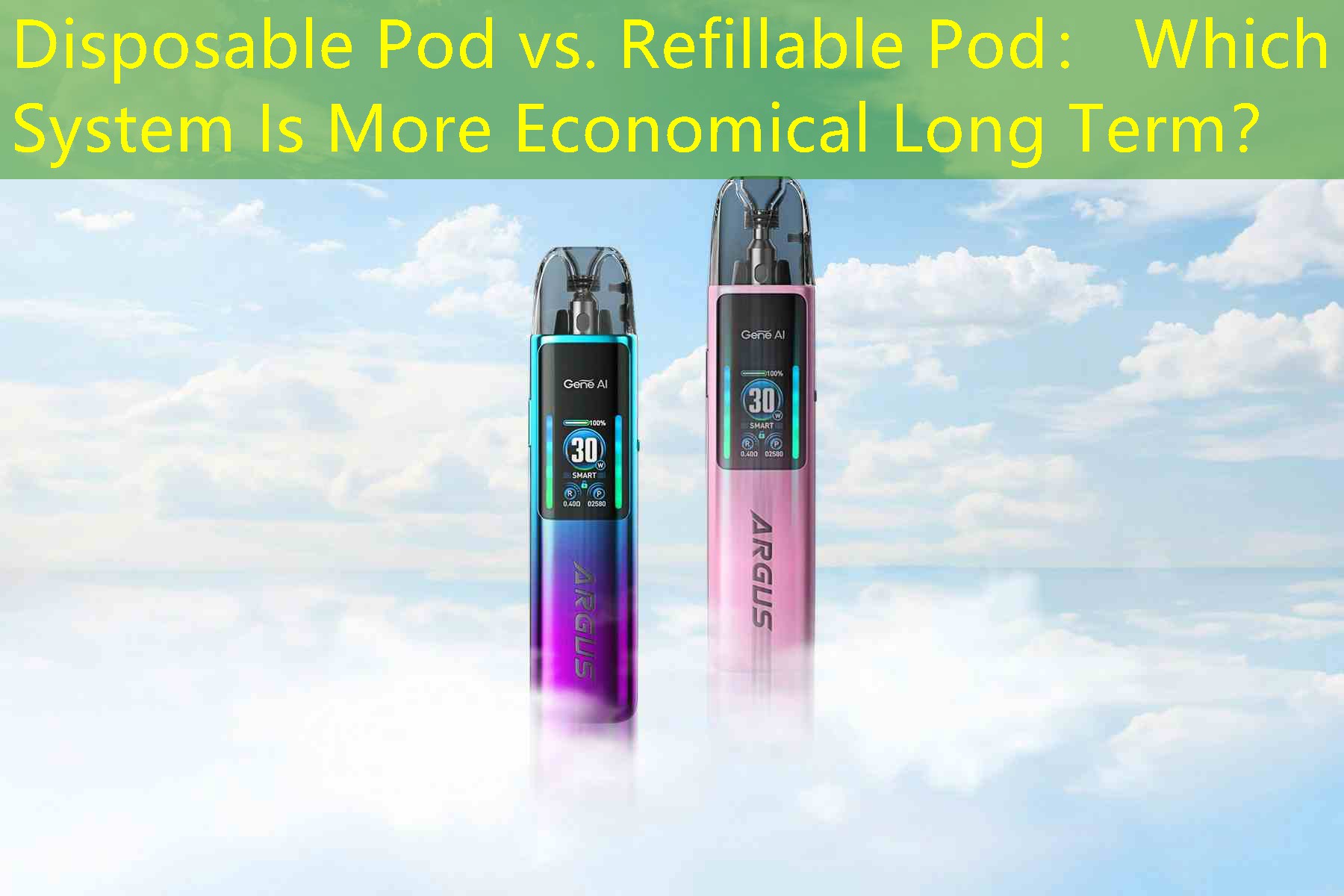
Refillable pods offer a more customizable experience for vapers. They allow users to choose their preferred e-liquids and customize nicotine levels, providing flexibility that disposables can’t match.
Cost Benefits of Refillable Pods
While the initial cost for a refillable pod system can be higher—factor in the price of the device and the e-liquids—over time the savings become apparent. A refillable pod system can lead to substantial cost savings. Par exemple, if you spend $50 on a refillable device and $15 on e-liquids that last a month, your total cost for three months would be $95, saving you $205 compared to disposable pods.
Environmental Impact: A Crucial Factor
It’s also important to consider the **environmental impact** of these two systems. Disposable pods contribute significantly to waste, as they are designed for one-time use. The materials used in their production, along with the waste generated post-use, contribute to environmental concerns.
Inversement, refillable pods promote sustainability. By investing in a refillable system, vapers can reduce their environmental footprint significantly. Not only is the device reusable, but purchasing e-liquids in bulk also reduces the need for excessive packaging.
User Convenience and Experience
Convenience plays a significant role in a vaper’s decision-making process.
Pros and Cons of Disposable Pods
Disposable pods win in terms of convenience. They require no setup, no refilling, and can be easily carried. Cependant, users sacrifice the benefits of customization and may end up spending more in the long run.
Advantages of Refillable Pods
Refillable pods generally offer a more satisfying experience because users can select flavors and nicotine levels to suit their preference. Although they require a bit more maintenance—like cleaning and refilling—the long-term financial and environmental benefits are considerable.
Comparison Summary: Jetable vs. Refillable Pods
A summary of the key factors can help decide which option suits a user best.
| Fonctionnalité | Disposable Pods | Refillable Pods |
|———————–|————————–|————————–|
| Initial Cost | $5 – $20 per pod | $50 for device |
| Long-term Cost | $300+ for three months | $95 for three months |
| Environmental Impact | High waste | Low waste |
| User Customization | Limited | Haut |
| Maintenance | None | Requires occasional care |
This table clarifies that while disposable pods may seem enticing initially, the costs, *environmental impact*, and user experience favor refillable pods in the long run.
En conclusion, while both systems have their place in the vaping market, the economic, environnemental, and user experience angles suggest that refillable pods are the superior choice for long-term use.