Introduction
Dans le monde en constante évolution du vapotage, le matériau de la cartouche joue un rôle crucial à la fois dans l'expérience utilisateur et dans la préservation de l'huile. Deux des matériaux les plus couramment utilisés pour les cartouches sont le verre et le plastique.. Cet article explorera les caractéristiques, avantages, et inconvénients de ces matériaux, aider les consommateurs à prendre des décisions éclairées concernant leurs choix de vapotage.
Material Characteristics
Glass Cartridges
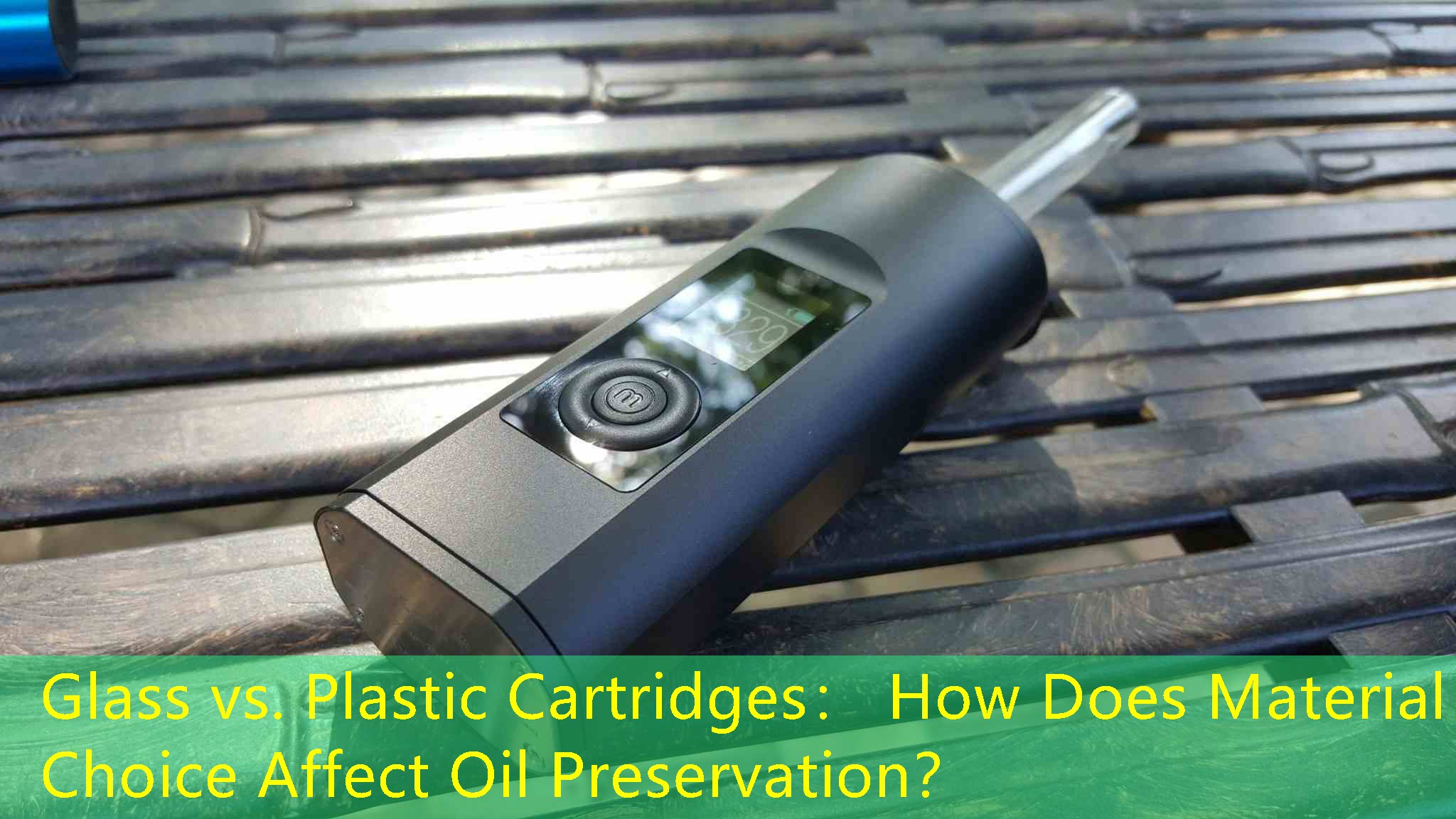
Glass cartridges are often praised for their durability and inert properties. Fabriqué en verre borosilicaté, ils résistent à la chaleur et aux produits chimiques, ce qui aide à prévenir l’altération de la saveur de l’huile au fil du temps. Le verre offre également une esthétique haut de gamme, présentant souvent des designs élégants qui améliorent l'expérience globale de vapotage. Cependant, le verre peut être plus lourd et plus fragile que le plastique, posing potential risks during transport.
Cartouches en plastique
Plastic cartridges, usually made from PET or PCTG, are lighter and less prone to shattering, making them more portable. They are often more cost-effective to produce and purchase, which can be an attractive feature for budget-conscious consumers. Cependant, plastic materials are susceptible to oil absorption, which can compromise flavors and lead to faster degradation of the cartridge itself.
Expérience utilisateur
Vapor Flavor Preservation
When it comes to preserving the integrity of oil, glass cartridges tend to excel. Their non-reactive surfaces ensure that the flavor profile of the oil remains intact, offering vapers a consistently pleasant experience. Inversement, plastic cartridges can leach into the oil, resulting in altered tastes over time. For serious connoisseurs, this difference in flavor preservation can significantly impact overall enjoyment.
Facilité d'utilisation
Both glass and plastic cartridges are typically designed for easy filling and handling. Cependant, glass cartridges generally require careful handling due to their fragility. D'autre part, plastic cartridges are easier to carry and are less likely to break, catering to users who are often on the go.
Comparison with Competing Products
Against other cartridge options, such as ceramic and disposable cartridges, glass and plastic both present unique advantages. Ceramic cartridges offer exceptional flavor and aroma due to their inert nature, yet they are often more expensive than their glass and plastic counterparts. Disposable cartridges, while extremely convenient, may not provide the same quality preservation or cost efficiency over time.
Avantages et inconvénients
Glass Cartridges
Avantages:
– Superior flavor preservation
– Inert chemical properties
– High-end aesthetic
Inconvénients:
– Heavier and fragile
– Typically more expensive
Cartouches en plastique
Avantages:
– Lightweight and unbreakable
– Cost-effective
– Convenient for travel
Inconvénients:
– Potential for flavor alteration
– Less durable in terms of long-term use
Analyse du groupe d'utilisateurs cible
The choice between glass and plastic cartridges largely depends on the user demographic. Aficionados and frequent vapers might prefer glass cartridges for their flavor preservation and aesthetic appeal. Inversement, casual users or those new to vaping may lean towards plastic options for their practicality and affordability. En résumé, understanding the pros and cons of each cartridge type will ultimately empower users to align their choice with their personal vaping preferences and lifestyles.