Cero nicotina vs.. Bajo en nicotina: ¿Qué opción funciona mejor para dejar de fumar??
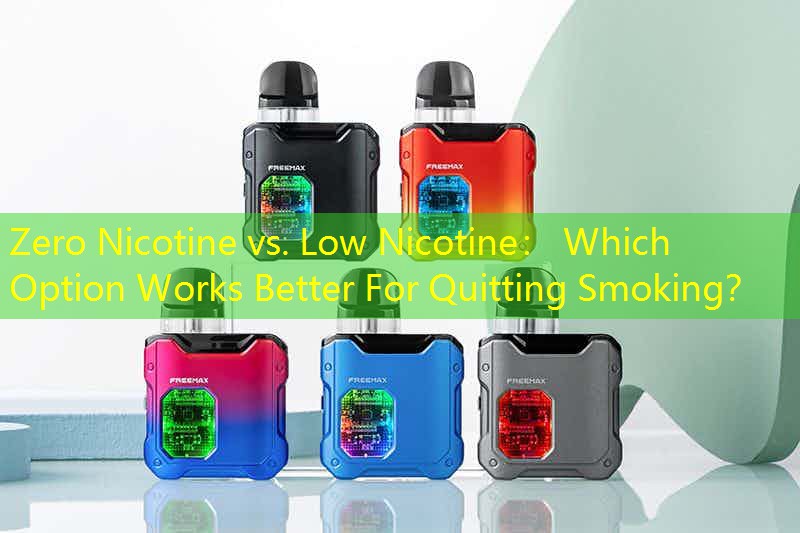
¿Está considerando dejar de fumar pero se siente abrumado por las opciones disponibles?? A medida que más fumadores exploran alternativas, Han surgido dos opciones populares.: zero nicotine y low nicotine productos. Entendiendo sus diferencias, beneficios, y cómo pueden ayudarle a dejar de fumar es esencial para tomar una decisión informada.. Este artículo profundizará en la eficacia y practicidad de los productos sin nicotina versus bajos en el contexto de dejar de fumar..
Understanding Zero Nicotine Products
Zero nicotine products, como ciertos cigarrillos electrónicos y soluciones de vapeo, están diseñados específicamente para aquellos que buscan eliminar la nicotina por completo de su rutina.. El objetivo aquí es sencillo.: provide a smoking experience without the addictive substance. Users often find that these products help manage the behavioral aspects of smoking, such as hand-to-mouth actions and the habitual aspects associated with lighting up.
One advantage of zero nicotine vaping is the freedom from nicotine addiction. This offers a clear path to breaking the behavioral patterns associated with smoking. Users report that although the physical cravings can be challenging, the absence of nicotine significantly lessens their desire to smoke.
Exploring Low Nicotine Options
Low nicotine products cater to individuals who prefer to gradually reduce their nicotine intake rather than eliminate it entirely. This method allows users to taper their consumption, ideally leading to smaller doses over time. Brands offer a variety of products with differing nicotine levels, accommodating users at various stages of their quitting journey.
The primary benefit of low nicotine products lies in their flexibility. Smokers can maintain some level of nicotine in their systems, potentially easing withdrawal symptoms. Many users find that this gradual reduction makes the transition less abrupt, providing a more comfortable quitting experience.
Análisis comparativo: Zero vs. Bajo en nicotina
To help clarify the differences and advantages of each approach, here’s a comparison table:
| Característica | Zero Nicotine | Bajo en nicotina |
|---|---|---|
| Contenido de nicotina | None | Present, but at lower levels |
| Gradual Reduction | Not applicable | Allows for gradual tapering |
| Behavioral Support | Helps break behavioral patterns | Maintains some habitual comfort |
| User Testimonials | Effective for some, but may encounter cravings | Preferred by those needing gradual support |
Which Option is Better for You?
When deciding between zero nicotine y low nicotine productos, it’s crucial to assess your personal quitting needs. Consider your addiction level, previous attempts to quit, and your comfort with both options. Are you ready to cut ties with nicotine completely? Or would you benefit from a gradual reduction?
If you feel confident in your ability to manage cravings, starting with zero nicotine may be the right choice for you. En cambio, if previous attempts at quitting have left you with lingering cravings, then low nicotine products could provide the support you need.
Common Questions About Quitting Smoking with Nicotine Alternatives
Do zero nicotine products mimic the experience of smoking?
Absolutely. Many users find that zero nicotine products, especially e-cigarettes, can replicate the physical motions associated with smoking, helping to curb cravings for the action itself.
Are low nicotine products successful for everyone?
Success depends largely on individual preferences and psychological factors. Some users thrive on the gradual reduction method, while others may find quicker success with zero nicotine.
Can switching to these products eliminate my cravings completely?
While both zero and low nicotine options can help with cravings, they may not eliminate them entirely. A comprehensive approach, including behavioral support and lifestyle changes, is often essential for long-term success in quitting smoking.