Introduzione
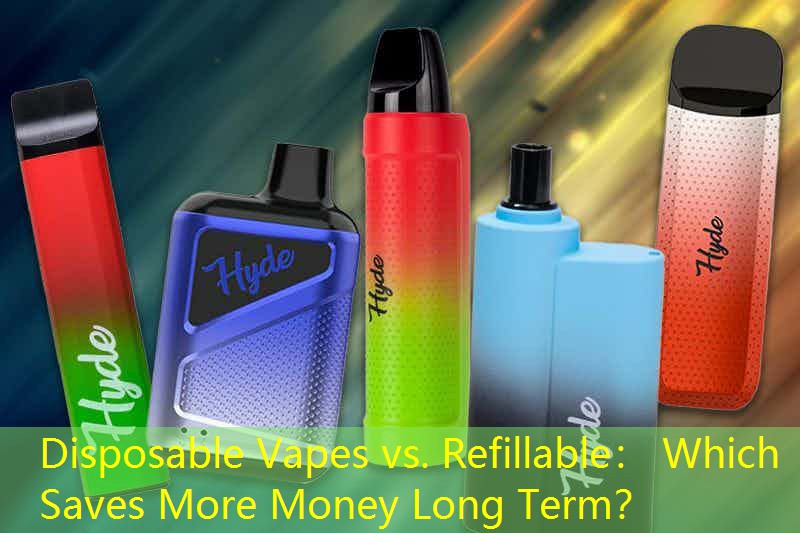
Quando si tratta di svapare, i fumatori sono spesso combattuti tra due scelte: vaporizzatori usa e getta e ricaricabili. Ognuno ha i suoi vantaggi e svantaggi, ma si pone una questione cruciale: che consente di risparmiare più denaro a lungo termine? In questo articolo, approfondiamo le implicazioni finanziarie di entrambe le opzioni per aiutarti a fare una scelta informata. Con il mercato dello svapo in forte espansione, comprendere il rapporto costo-efficacia di questi prodotti è essenziale sia per gli utenti nuovi che per quelli esperti.
Cost Analysis of Disposable Vapes
Disposable vapes are designed for convenience and ease of use. Vengono precompilati e pronti per l'uso, rendendoli un'opzione allettante per coloro che preferiscono un'esperienza senza problemi. Tuttavia, questa comodità spesso ha un prezzo.
In terms of upfront costs, disposable vapes can be cheaper initially, ranging from $5 A $20 for a device that includes multiple puffs. Tuttavia, it is essential to consider the recurring costs over time. Most disposable vapes last only a couple of days, a seconda dell'utilizzo. If a user purchases a new disposable every week, the annual cost can add up quickly.
Ad esempio, if a disposable vape costs $15 and lasts 7 days, the annual expense would be approximately:
| Frequency of Use | Cost Per Unit | Annual Cost |
|---|---|---|
| Weekly | $15 | $780 |
Cost Analysis of Refillable Vapes
Vaporizzatori ricaricabili, d'altra parte, are initially more expensive as they require an investment in both the vape device and vape juice. Tuttavia, their longer lifespan and ability to purchase e-liquids in bulk make them a more economical choice in the long run.
Prices for refillable vape devices may range from $30 A $100, and e-liquids cost around $10 A $20 for a bottle that can fill the tank multiple times. If a user spends around $15 every two weeks on e-liquids, their annual expense would be:
| Frequency of Purchase | Cost Per Unit | Annual Cost |
|---|---|---|
| Every Two Weeks | $15 | $390 |
While the initial investment in a refillable vape is higher, the long-term savings can be significant, often leading to just half the annual cost compared to disposables.
Additional Considerations
While financial factors are critical in this comparison, there are other elements to consider, such as environmental impact and user experience. Disposable vapes generate more waste due to their single-use nature. Al contrario, refillable vapes reduce waste as users can reuse their devices many times.
Inoltre, refillable vapes allow for customization in flavors and nicotine levels, catering to individual preferences better than disposables, which offer limited options.
Question 1: Which option is better for heavy users?
For heavy users, refillable vapes are generally more economical. With a refillable device, you invest once in the device and then purchase e-liquids, which ultimately proves to be less costly over time compared to constantly buying new disposables.
Question 2: Can I reduce costs with disposable vapes?
While it’s challenging to reduce costs significantly with disposable vapes, seeking bulk purchases or promotions can help. Tuttavia, in the long run, using refillable vapes will still usually be the more efficient choice.
Question 3: What about maintenance and user experience?
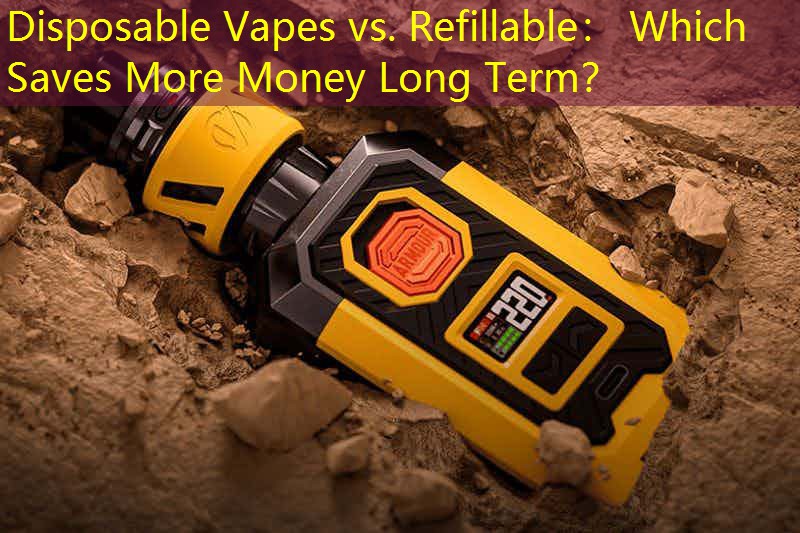
Refillable vapes do require some maintenance, such as cleaning and replacing coils, which may be a drawback for some. Tuttavia, the customization and variety offered along with the lower long-term costs often outweigh these considerations for more dedicated users.
Complessivamente, understanding the financial realities of disposable and refillable vapes is crucial for anyone looking to engage in the vaping lifestyle sustainably and economically.