소개: Understanding the Importance of Conductivity in Metal Connections
In the realm of electronic devices, 전원 연결은 효율적인 기능을 보장하는 데 중요한 역할을 합니다.. 전자 담배를 설계하든 안정적인 전원 공급이 필요한 기타 장치를 설계하든, 연결에 적합한 금속을 선택하는 것이 필수적입니다.. 황동과 구리는 전기 연결에 사용되는 두 가지 일반적인 재료입니다., 하지만 실제로는 어느 쪽이 전력을 더 잘 전달하나요?? 이 기사에서는 황동과 황동을 자세히 비교합니다.. 구리 연결, 전도성 탐구, 내구성, 다양한 응용 분야에 대한 적합성.
전도도 비교: 황동 대. Copper
One of the primary factors to consider when selecting metal materials for electrical connections is conductivity. 이는 전류를 전달하는 금속의 능력을 나타냅니다.. 일반적으로, copper is known to have superior conductivity compared to brass. Copper boasts an impressive electrical conductivity rating of around 59.6 x 10^6 S/m, making it one of the best conductors available.
대조적으로, brass, an alloy primarily made of copper and zinc, typically has a conductivity of about 28 x 10^6 S/m. This reduction is significant, as lower conductivity can lead to energy losses in connections. 따라서, when high efficiency and low resistance are desired, copper connections are often preferred.

Durability and Corrosion Resistance
While conductivity is essential, the durability of the metal should not be overlooked. In environments where moisture, 습기, or other corrosive factors are present, the corrosion resistance of the materials becomes crucial.
Copper, despite its superior conductivity, is susceptible to oxidation over time, which can affect its performance. 반면에, brass is known for its excellent resistance to corrosion and is less likely to tarnish when exposed to air.
To illustrate this, consider the following table comparing the properties of brass and copper:
| Property | Copper | Brass |
|---|---|---|
| Electrical Conductivity | 59.6 x 10^6 S/m | 28 x 10^6 S/m |
| Corrosion Resistance | 보통의 | 높은 |
| 비용 | 더 높은 | 낮추다 |
Weight and Size Considerations
When designing compact devices such as electronic cigarettes, weight and size of materials become significant constraints. Copper is denser (8.96 g/cm³) compared to brass (8.4 g/cm³), which might impact the overall weight of the device. For manufacturers aiming for lightweight solutions, utilizing brass can reduce the total weight without significant compromises on strength and durability.
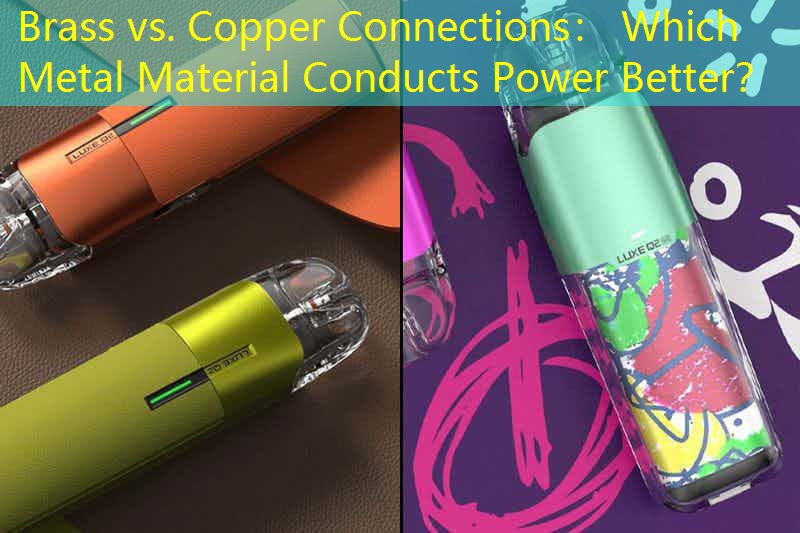
In practical applications, an e-cigarette using brass connections could provide a lighter alternative while maintaining a robust product structure. It becomes essential for designers to balance between conductivity and weight, especially considering portability.
Environmental Impact and Sustainability
오늘, many manufacturers and consumers are increasingly aware of environmental impacts when selecting materials. Copper mining and refining can be resource-intensive and often leads to ecological concerns due to its environmental footprint.
Brass, as a recyclable alloy, may present a slightly lower ecological impact during processing. 하지만, the entire lifecycle from extraction to disposal needs to be evaluated when deciding on material selection for environmentally conscious products.
자주 묻는 질문
1. Why is copper often considered the better choice for electrical connections?
Copper is recognized for its exceptional electrical conductivity, which results in higher efficiency in power transmission. This makes it a preferred option for applications where low resistance and optimal current flow are required.
2. Is brass suitable for applications that require high conductivity?
While brass is a durable and corrosion-resistant option, it is not as conductive as copper. 그러므로, it may not be ideal for high-current applications where electrical efficiency is paramount.
3. How does corrosion behavior affect the choice between brass and copper in electronic devices?
Corrosion resistance is vital in maintaining the integrity of electrical connections. Brass generally offers better corrosion resistance than copper, making it more reliable in moisture-prone environments, albeit at the expense of conductivity.