Whakatuwheratanga
In the evolving world of vaping, Kei te kaha haere nga kaihoko ki te rapu huarahi pai me te ngahau ki te kai i nga kakano. E rua nga tikanga rongonui mo te whakamahana ko te rama me te whakamahana hiko. Kei ia tikanga ona ake painga me nga ngoikoretanga pea, te whiriwhiri i runga i nga hiahia whaiaro, haratau, me te wheako katoa. Ka rukuhia e tenei tuhinga nga tikanga e rua, i te mutunga ka arotakehia ko wai te mea pai ake mo te whakapau kaha.
Torch Heating
Torch heating, ka kiia he whakamahana tuku iho, mura ahi ranei, ko te whakamahi i te rama butane hei whakamahana i te riu, i te whao ranei. Ko tenei tikanga matarohia e paingia ana e te tini mo tona ngawari me te kaha ki te eke tere ki nga pāmahana tino tiketike.
Nga pai o te Whakawera Torch
1.
High Temperature Control
Torch heating allows users to reach scorching temperatures necessary for vaporizing certain concentrates effectively. This is particularly beneficial for consumers looking to achieve that intense flavor and potent hit.
2.
Instant Results
With just a flame, users can achieve the desired temperature almost instantly. This can lead to a quicker session, appealing to those who prioritize efficiency.
3.
Cost-Effectiveness
Butane torches are typically inexpensive and widely available, making this method accessible to a broader audience.
Cons of Torch Heating
1.
Risk Factor
Using an open flame poses a safety risk. Issues can arise, especially for novice users who might accidentally burn themselves or cause a fire.
2.
Inconsistency
Achieving the perfect temperature can be tricky with a torch. Inaccurate heating may lead to inefficient vaporization, resulting in waste.
3.
Less Portability
While torches are portable, the need for butane refills can limit convenience compared to electronic options.
Te whakawera hiko
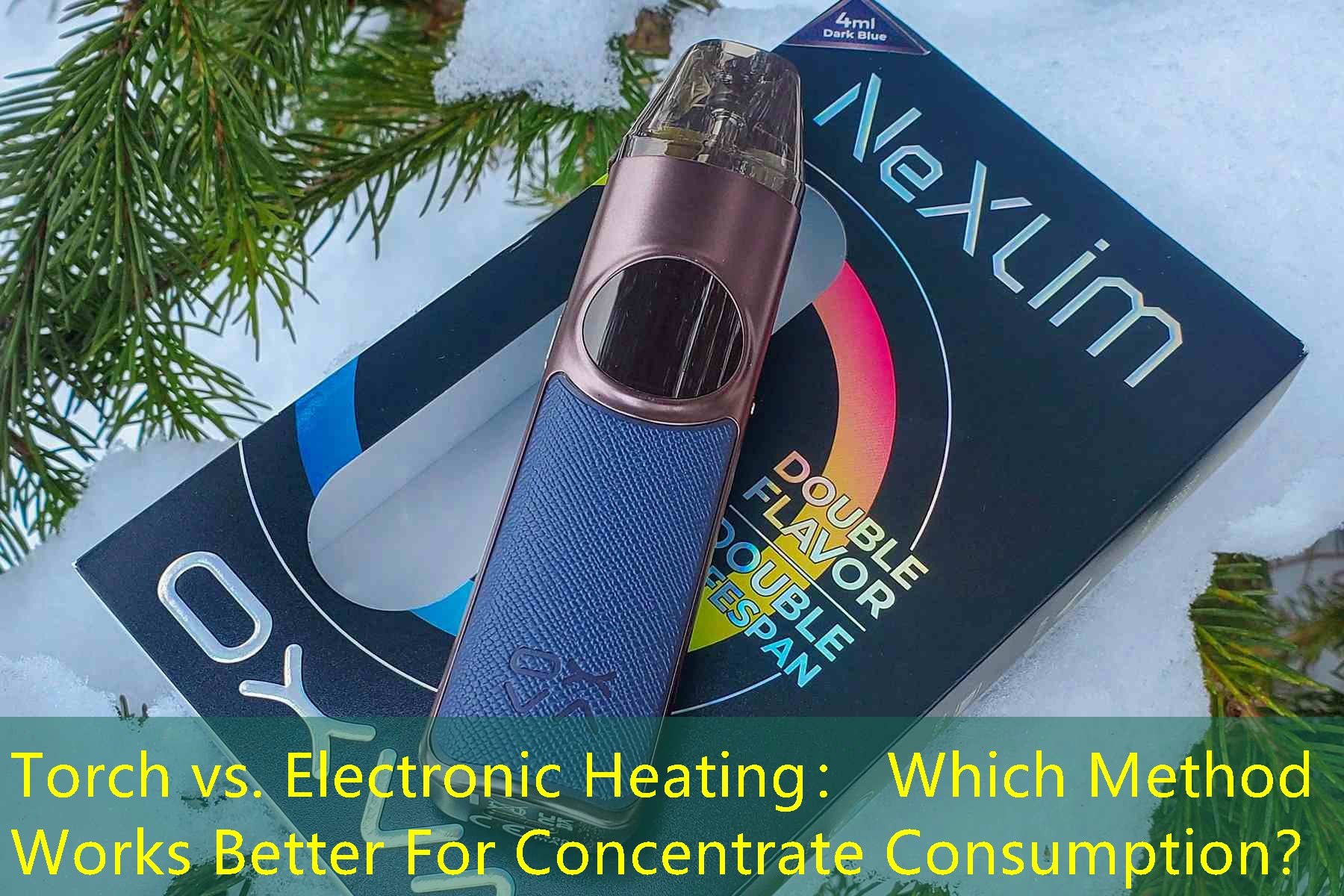
Electronic heating devices, such as e-nails or specialized vape pens, offer a modern approach to concentrate consumption. These devices utilize built-in heating elements to achieve set temperatures without an open flame.
Pros of Electronic Heating
1.
Temperature Precision
One of the most significant advantages of electronic heating is the precision control over temperature settings. Users can choose specific temperatures to enhance flavor or potency.
2.
Safety
Without an open flame, electronic devices reduce the risk of burns and fire hazards, making them a safer choice for novice users and those concerned about safety.
3.
Convenience and Portability
Many electronic heating devices are compact, lightweight, me te ngawari ki te whakamahi. They often come with rechargeable batteries, making them perfect for on-the-go consumption.
Cons of Electronic Heating
1.
Higher Initial Costs
While electronic devices may save money in the long run, the upfront investment tends to be higher compared to torches.
2.
Reliance on Technology
Users are dependent on batteries and electronic components, which may require maintenance or replacement over time.
3.
Potential Learning Curve
For those used to traditional methods, adapting to electronic devices may take time as users familiarize themselves with temperature settings and operation.
Wāhanga whakamutunga
Whakamutunga tonu, the choice between torch and electronic heating largely depends on personal preference and priorities. For those who value high heat and enjoy hands-on techniques, torch heating may be the ideal method. Hapa, for consumers who seek convenience, whakarurutanga, and consistent results, electronic heating clearly stands out. Consideration of individual needs and experiences will guide each user in selecting the method that best enhances their concentrate consumption.