RDA vs.. Dispositivos RTA: Qual atomizador reconstruível funciona melhor para iniciantes?
À medida que o mundo vaping continua a se expandir, novos usuários muitas vezes se encontram em uma encruzilhada quando se trata de escolher o atomizador certo. Atomizadores de gotejamento reconstruíveis (RDA) e Rebuildable Tank Atomizers (RTA) são duas opções populares entre os entusiastas. Mas qual é mais adequado para iniciantes? Este artigo fornecerá uma comparação detalhada para ajudá-lo a fazer uma escolha informada.
The Basics of RDA and RTA
Before diving into the details, é essencial entender o que são dispositivos RDA e RTA.
Atomizadores de gotejamento reconstruíveis (RDA)
são projetados para usuários que desejam pingar manualmente o e-líquido nas bobinas para vaporização imediata. This setup allows for maximum flavor and vapor production due to the direct contact between the coils and the e-liquid. No entanto, it requires frequent dripping, which may not suit everyone.
Rebuildable Tank Atomizers (RTA)
, por outro lado, come equipped with a tank that holds e-liquid, allowing users to vape without having to drip constantly. This convenience makes RTAs a favored choice for those who prefer longer vaping sessions without interruption.
Ease of Use for Beginners
When it comes to user-friendliness, the choice often depends on your vaping style. For new users, ATRs may offer a smoother introduction to rebuildable atomizers.
This is because RTAs are easier to refill and maintain. They typically have a more forgiving learning curve regarding coil building and wicking. Adicionalmente, the tank setup allows beginners to familiarize themselves with the vaping process without the constant need to drip.
Flavor and Vapor Production

While both atomizers can deliver excellent flavor and vapor, there are some distinctions. RDA devices generally provide a superior flavor experience owing to their design. With less distance between the coils and the mouth, users often report a more intense flavor profile.
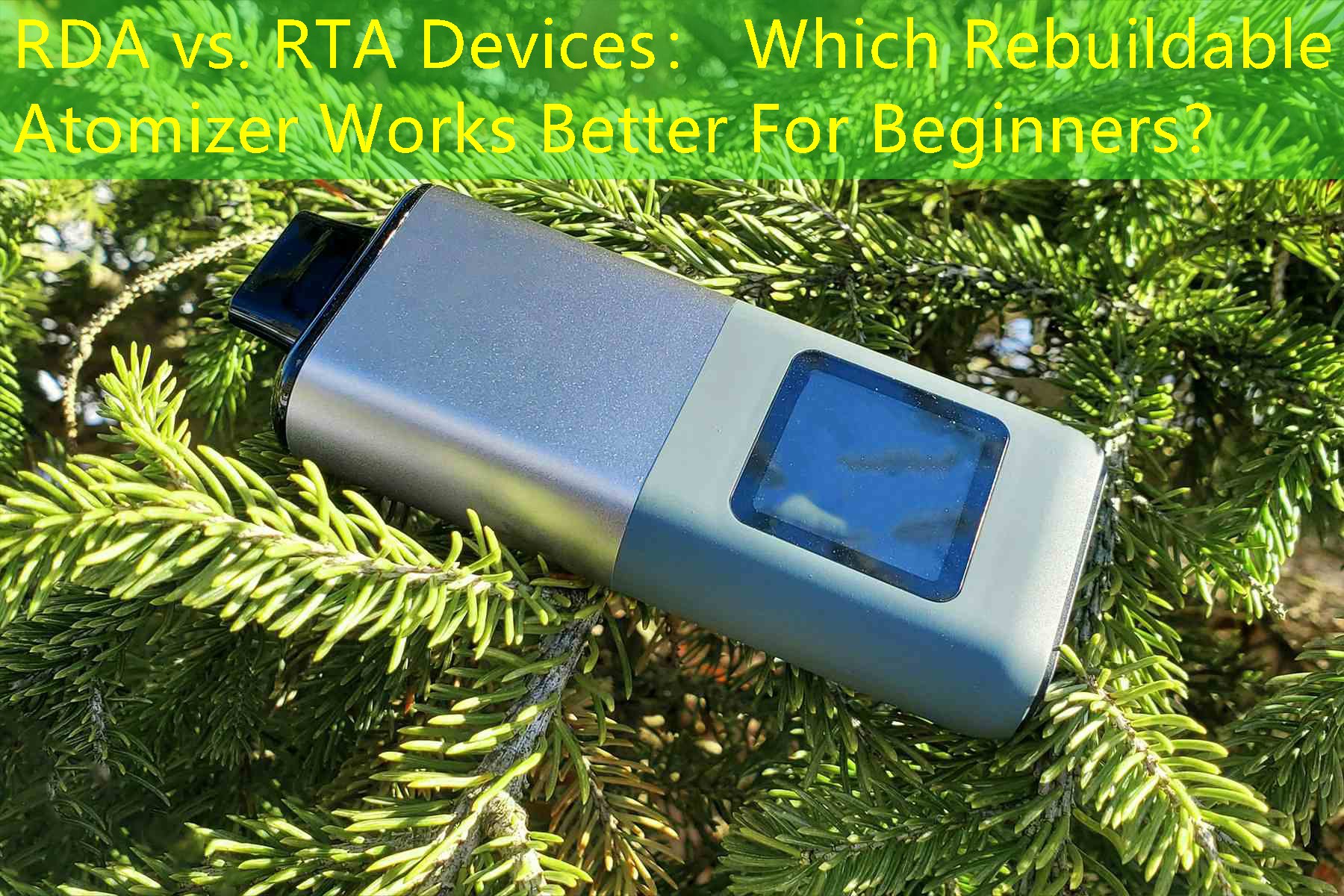
No entanto, many modern RTAs have improved significantly, offering excellent flavor while maintaining the convenience of a tank. Beginners looking for quality flavor without the frequent manual labor of dripping might find a well-designed RTA a preferable option.
Maintenance and Build Quality
Another critical aspect for beginners is the maintenance required for each type of atomizer.
RDA devices
require regular coil and wick changes, which can be daunting for newcomers. Also, the lack of a tank means users must always be prepared with e-liquid on hand.
Em contraste,
RTA devices
usually have a more extensive build deck and are designed for easy wicking and coil swapping. Many models also come with adjustable airflow and juice flow control, making them more versatile for beginners learning the ropes.
Estudo de caso: Beginner Experience
Let’s consider a case study involving two beginners, Alex and Jamie. Alex started with an RDA, motivated by the promise of superior flavor. Despite an exhilarating initial experience, he found the constant dripping cumbersome and inconvenient, especially during outings.
Jamie, por outro lado, opted for an RTA. She appreciated the extended vaping sessions without needing to refill every few minutes. Ao longo do tempo, she became quite confident in building her coils, eventually experimenting with various e-liquids and setups.
This comparison illustrates how an RTA can provide a less stressful entry point into the world of vaping while still offering excellent performance.
Conclusão
Resumindo, both
RDA
e
RTA
devices have their pros and cons. No entanto, for those new to the vaping community, RTAs often present a more manageable learning curve combined with the convenience of tank systems. Em última análise, the choice depends on personal preferences and vaping styles.