Za enkratno uporabo vs.. Ponovno polnjenje: Understanding the Environmental Impact
The world of vaping has consistently evolved, ki uporabnikom ponuja nešteto možnosti. Med temi, the debate between
za enkratno uporabo
in
refillable vaping devices
has emerged, zlasti glede njihovega vpliva na okolje. Ker globalna skrb za trajnost narašča, mnogi uporabniki vape se sprašujejo: katera metoda je resnično boljša za planet? Ta članek obravnava okoljske odtise teh dveh priljubljenih metod vapinga.
Naprave za uparjanje za enkratno uporabo: Convenience at a Cost
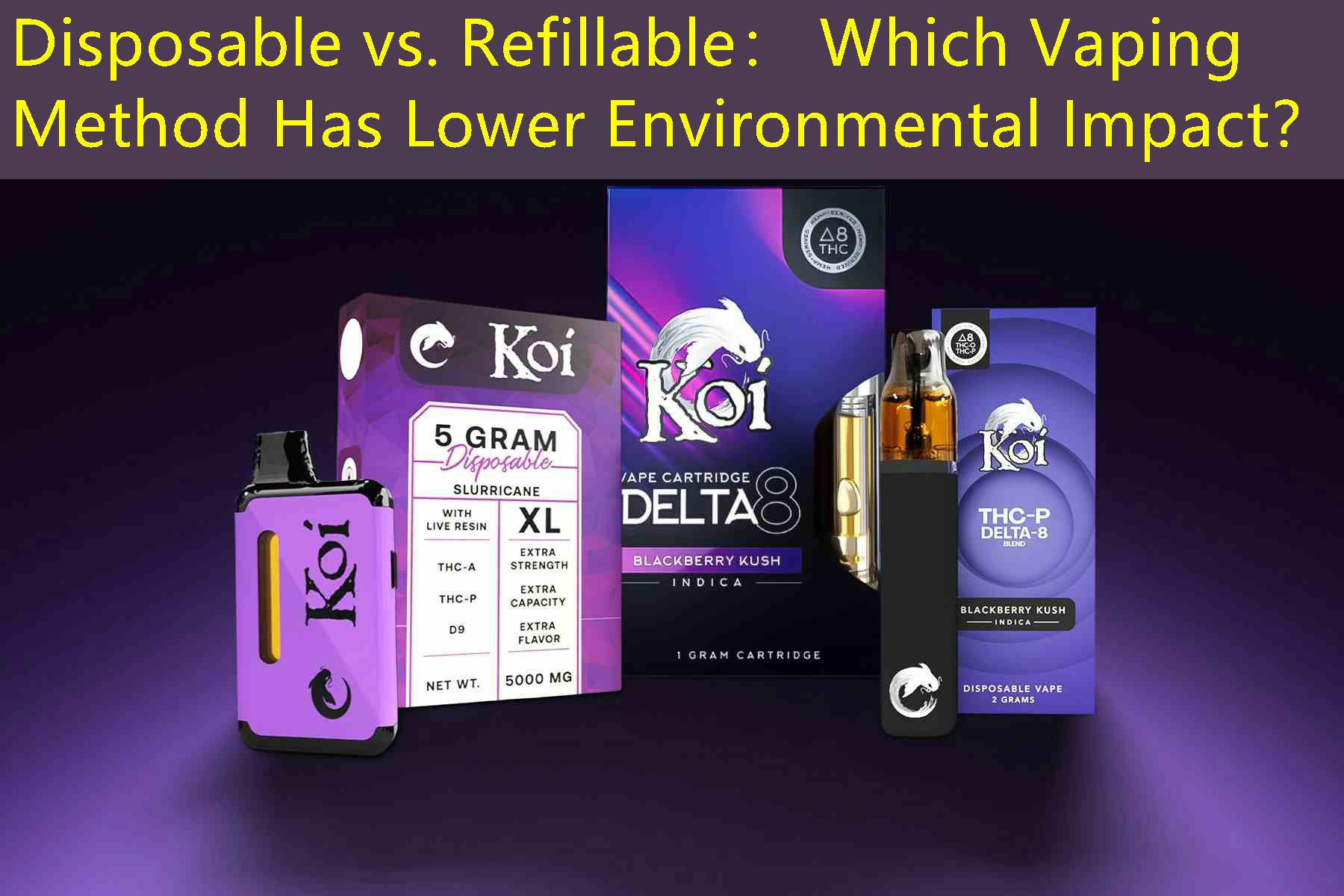
Disposable vapes are designed for one-time use, ponuja enostavnost uporabe, ki še posebej pritegne nove uporabnike. Vendar, njihovo udobje ima pomembne pomanjkljivosti. Vsaka enota prispeva k okoljskim odpadkom, saj je običajno izdelana iz plastike in kovine, elements that can take decades to decompose. In fact, a recent study estimated that around 1.5 billion disposable vapes are thrown away annually, resulting in a substantial ecological footprint.
Poleg tega, disposable devices are often powered by lithium batteries, which pose additional environmental risks if not disposed of correctly. These batteries can leak harmful chemicals into the soil and water sources, causing long-term damage to ecosystems and wildlife.
Refillable Vaping Devices: A Sustainable Choice?
On the contrary, refillable vaping devices aim to minimize waste. They allow users to purchase e-liquid separately and refill their devices multiple times. This feature drastically reduces plastic and electronic waste. Na primer, a single refillable vape can last for years, making it a more eco-friendly alternative to disposable options.
Despite their higher upfront investment, refillable devices significantly lower long-term waste production. The environmental impact is further alleviated by the fact that many manufacturers are now prioritizing recycling and responsible production practices. Some companies even offer recycling programs for their products.
Študija primera: Analyzing the Environmental Footprint
| Type | Average Lifespan | 年間 Waste (per device) | Potential Plastic Waste |
|---|---|---|---|
| Za enkratno uporabo | 1-2 weeks | 70-80 grams | 1.5 billion |
| Ponovno polnjenje | 2-3 years | 30-40 grams (e-liquid container) | Much lower |
The above case study starkly highlights the disparity between these two methods. While a disposable vape may be convenient, its frequent disposal creates an overwhelming impact on the environment.
Zaključek: The Future of Vaping
As consumers become increasingly aware of their environmental impact, choices in vaping practices will play a crucial role in shaping a sustainable future. Opting for
refillable devices
emerges as a more responsible choice, showcasing a commitment to reducing waste and minimizing harm to the planet. With this information at hand, users can make informed choices that benefit both their vaping experience and the environment.