Faʻafeiloaʻiga: The Rising Dilemma in Vaping
As vaping becomes increasingly popular, o avanoa avanoa mo masini ua tupu tele. I totonu o nei, o pusa lafoa'i ma pusa toe fa'atumu e tu matilatila o ni faiga masani e lua. Faatasi ai ma aʻafiaga o le siosiomaga o mea e faʻaaogaina ma le tau o aʻafiaga o faiga uma e lua ua avea ma autu vevela, tele vapers o loʻo tuʻu mafaufau: *Faapipiiina pod vs. Faamaloloina pod: O le fea faiga e sili atu ona taugofie mo se taimi umi?* O lenei tusiga e faʻamoemoe e faʻatusatusa nei faiga e lua, manatu i a latou tau muamua, tupe alu umi, aafiaga ole siosiomaga, ma fa'aoga faigofie*.
Understanding Disposable Pods
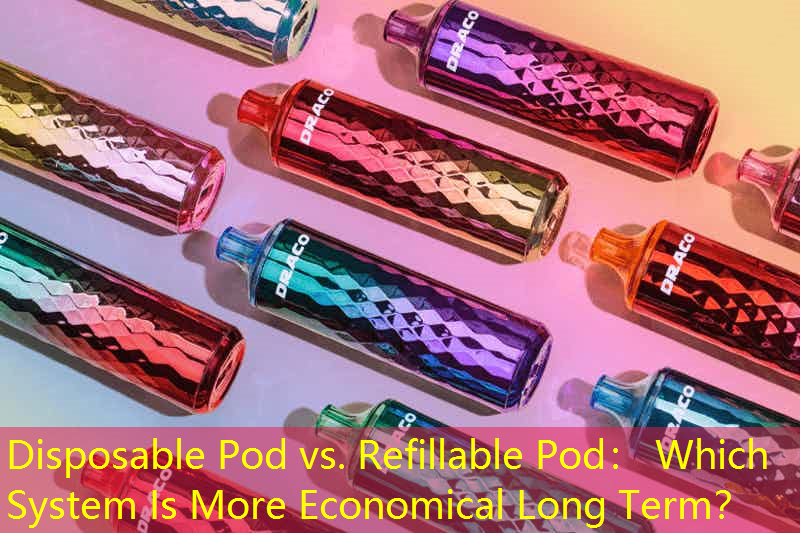
Disposable pods are pre-filled devices designed for convenience. Na'o le tatalaina e tagata fa'aoga le afifi ma amata vape e aunoa ma le mana'omia o le toe fa'atumu po'o le seti. They are designed to be used until the e-liquid runs out, after which they are discarded.
Cost Analysis of Disposable Pods
When we look at the *cost* of disposable pods, the initial investment might seem low. Average prices range from $5 i $20 per pod, depending on brand and flavor. Ae ui i lea, the costs can accumulate quickly. Faataitaiga, if a user consumes one pod daily at an average price of $10, this equates to $300 over three months.
Ma le isi, consider another user who might opt for a refillable system that requires an initial investment of approximately $50 for the device plus roughly $15 for a 30ml bottle of e-liquid that could last for a month. When purchasing e-liquid in bulk, refilling can significantly reduce the overall expenditure.
Exploring Refillable Pods
Refillable pods offer a more customizable experience for vapers. They allow users to choose their preferred e-liquids and customize nicotine levels, providing flexibility that disposables can’t match.
Cost Benefits of Refillable Pods
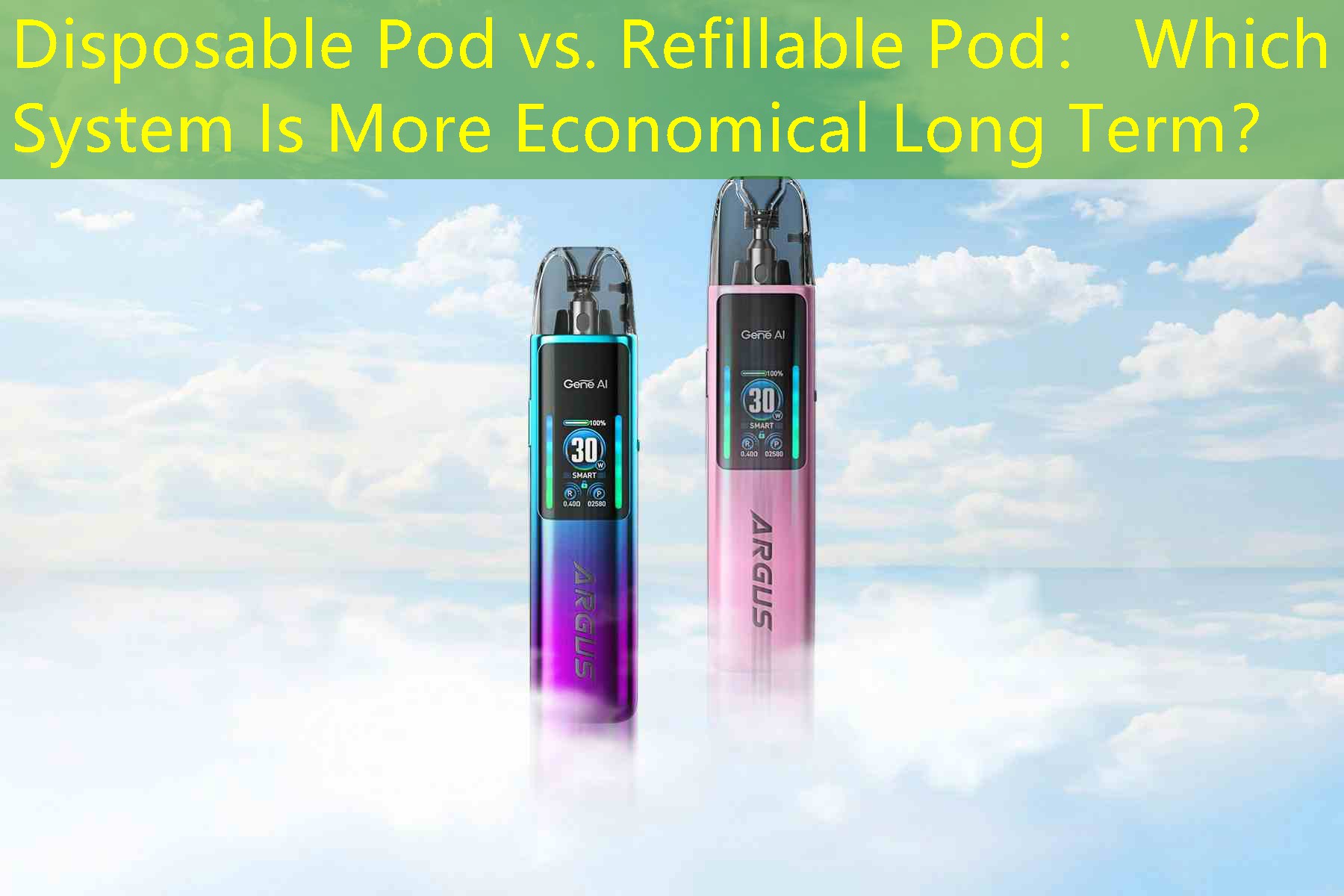
While the initial cost for a refillable pod system can be higher—factor in the price of the device and the e-liquids—over time the savings become apparent. A refillable pod system can lead to substantial cost savings. O lesi foi mea, if you spend $50 on a refillable device and $15 on e-liquids that last a month, your total cost for three months would be $95, saving you $205 compared to disposable pods.
Environmental Impact: A Crucial Factor
It’s also important to consider the **environmental impact** of these two systems. Disposable pods contribute significantly to waste, as they are designed for one-time use. The materials used in their production, along with the waste generated post-use, contribute to environmental concerns.
Talatalanoa, refillable pods promote sustainability. By investing in a refillable system, vapers can reduce their environmental footprint significantly. Not only is the device reusable, but purchasing e-liquids in bulk also reduces the need for excessive packaging.
User Convenience and Experience
Convenience plays a significant role in a vaper’s decision-making process.
Pros and Cons of Disposable Pods
Disposable pods win in terms of convenience. They require no setup, no refilling, and can be easily carried. Ae ui i lea, users sacrifice the benefits of customization and may end up spending more in the long run.
Advantages of Refillable Pods
Refillable pods generally offer a more satisfying experience because users can select flavors and nicotine levels to suit their preference. Although they require a bit more maintenance—like cleaning and refilling—the long-term financial and environmental benefits are considerable.
Comparison Summary: Le fuafuaina vs. Refillable Pods
A summary of the key factors can help decide which option suits a user best.
| Foliga | Disposable Pods | Refillable Pods |
|———————–|————————–|————————–|
| Initial Cost | $5 – $20 per pod | $50 for device |
| Long-term Cost | $300+ for three months | $95 for three months |
| Environmental Impact | High waste | Low waste |
| User Customization | Limited | Maualuga |
| Maintenance | None | Requires occasional care |
This table clarifies that while disposable pods may seem enticing initially, the costs, *environmental impact*, and user experience favor refillable pods in the long run.
I le faaiuga, while both systems have their place in the vaping market, the economic, environmental, and user experience angles suggest that refillable pods are the superior choice for long-term use.